top of page

GUEST COLUMN.

Barrett and Greene, Dedicated to State and Local Government, State and Local Government Management, State and Local Management, State and Local Performance Audit, State and Local Government Human Resources, State and Local Government Performance Measurement, State and Local Performance Management, State and Local Government Performance, State and Local Government Budgeting, State and Local Government Data, Governor Executive Orders, State Medicaid Management, State Local Policy Implementation, City Government Management, County Government Management, State Equity and DEI Policy and Management, City Equity and DEI Policy and Management, City Government Performance, State and Local Data Governance, and State Local Government Generative AI Policy and Management

THE HIGHER ED ROLE IN FILLING THE EMPLOYEE VOID

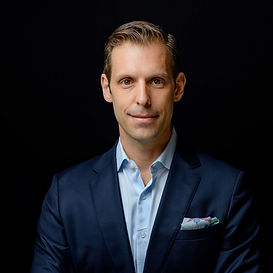
By Dr. Roger E. Hartley, Dean, College of Public Affairs, University of Baltimore

Barrett and Greene, Dedicated to State and Local Government, State and Local Government Management, State and Local Management, State and Local Performance Audit, State and Local Government Human Resources, State and Local Government Performance Measurement, State and Local Performance Management, State and Local Government Performance, State and Local Government Budgeting, State and Local Government Data, Governor Executive Orders, State Medicaid Management, State Local Policy Implementation, City Government Management, County Government Management, State Equity and DEI Policy and Management, City Equity and DEI Policy and Management, City Government Performance, State and Local Data Governance, and State Local Government Generative AI Policy and Management

One of the most important issues that I regularly encounter as Dean of a public service college is a crisis in recruitment and retention of public servants.  There is a lot of great work being done to fill the vacancy void and to help existing employees step into new roles.  Gone are the days when a leader could take a person “under their wing” and mentor them over a period of years for their position.  How do we fill these gaps and how do we build the strongest possible public service sector? 


Something must be done. Some of the stories of the crisis are sobering.  A recent report by the American Society for Public Administration (ASPA) noted over 1,000,000 government vacancies.  In my work around Maryland, I frequently hear of state agencies with double digit percentage vacancies and local governments facing challenges filling vacancies in a host of fields.  One large county in our state reported having over 1,500 open positions.  At a 2023 gathering of our nation’s Federal Executive Boards, it was reported that less than 10% of the federal workforce is below the age of 30.  That was noted as the lowest percentage in recorded federal history.  Certainly, a low unemployment rate makes finding employees harder, but the problem is not new, and it is not that simple.


My response: There are incredible benefits for higher education institutions and governments if they build deeper relationships, learn from each other, and partner on innovative solutions.


For years, higher education institutions and public service sectors have connected when mutually beneficial, but there is still a big gap of knowledge on both sides.  Many of us don’t frequently partner, work together, or take the time to listen to each other. Many feel uncomfortable sharing problems.  And sometimes a special connection we’ve built transfers to another agency or retires.  My presence in places like the Maryland Municipal League, Maryland Association of Counties, and Maryland Nonprofits, Inc. always results in a warm welcome, but very few “like me” were there…or sometimes ever there.   For me, as a bit of an extrovert, being in a new place with new public service friends to make was exhilarating.  However, my new friends were also asking with curiosity, “why is he here?”


For someone like me who loves helping students, I must say I was giddy to share with them that I had students looking for work, policy research opportunities, and exciting programs that might help them advance into leadership.   I was also much giddier to share with my students that there were cool jobs everywhere.  My excitement, however, made something sound simple that hides complexity. 


By listening to my students, I quickly learned that it depends on the field as to where there is opportunity.  Those fields exist in majors all over a university and not all of those fields partner with public service. They report arcane, slow and confusing hiring processes that frustrate.  Some might get an interview for a job they really wanted, months after accepting a job in the nonprofit sector.  Some exciting jobs come across boring in title and description.  Pay rates in some fields are very unattractive and uncompetitive. Some of our students simply don’t know at all what is out there or why a job in “Agency X” might be exciting.  Finally, there is the big elephant in the room of whether government is really the best place “for me” to fight addiction, protect public safety, end climate change, do accounting work, or to make a difference in solving the major problems of today.   


While these problems and perceptions exist, a lot of work has been done to improve things and it is not all a problem of the public service sector.  Educators need to engage, listen, learn and we need to “show up” and engage. What skills are needed in agencies today? What types of programs and education do public servants need?  Are our programs accessible enough to their employees? Are our career centers accessible and knowledgeable of the sector?  What barriers exist in finding and attracting our students?  Do our students have the professional skills to work in an ever-changing public service?  How can higher education do a better job of letting students know that virtually every problem that they are passionate about has an important role in public service?  Finally, how can public service leaders help educators do a better job of representing public service as the “highest of callings”?   As I have learned more about each of these questions, and still have more to learn, I see that those of us in higher education need to learn more and partner more effectively.


Those of us in higher education have important insights on how to attract our students into the workforce and offer many opportunities to advance existing leaders into higher level positions.  As my colleagues and I engage with public servants, we learn more about our own barriers to our students entering the sector.  I can say with some certainty that there is a lot happening to solve these problems and that partnering, relationship building, problem-solving has brought down barriers.  I hope to explore many of these ideas in a future column and there should be a deep dive on these questions in cross-disciplinary summits among the academy and public service.  Tune in, there is more happening and more to come.


The contents of this Guest Column are those of the author, and not necessarily Barrett and Greene, Inc.


#UniversityGovernmentConnection #StateandLocalHumanResources #StateandLocalRecruiting #PublicServiceandUniversityRole #StateandLocalGovernmentHumanResources #GovernmentUnderstaffing #AcademicGovernmentPartnership #StateandLocalGovernmentUnderstaffing #PublicServiceEmployeeVoid #PublicSectorVacancyChallenge #StateandLocalEmployeeVacancies #GovernmentEmployeeVacancies #FillingPublicSectorGaps #HigherEdGovernmentRelationship #HigherEdBuildingPublicServants #StateandLocalRecruitment #StateandLocalWorkforce #GovernmentEmployeeRetention #StateLocalHigherEdRelationship #BuildingPublicServants #HigherEdandPublicSerivce #HigherEdandPublicSectorEmployment  #HigherEducationNurturingPublicServants #StateandLocalGovernmentManagement #StateandLocalGovernmentPerformance #CollegeofPublicAffairsUniversityofBaltimore #MarylandMunicipalLeague #MarylandAssociationOfCounties #MarylandNonProfits Inc #AmericanSocietyforPublicAdministration


GUEST COLUMN ARCHIVES

GUEST COLUMN ARCHIVES.
 

REWRITING PUBLIC PROCUREMENT RULES

READING THE SEISMOGRAPH OF GOVERNMENT DRIFT

DATA CENTERS: FINDING THE PERSUADABLE MIDDLE

YOUR TRAINING OFFICER IS NOT OVERHEAD

WHY TODAY’S EFFICIENCY PUSH COULD STALL IN THE STATES

HR: SOLUTIONS FOR A SYSTEM UNDER PRESSURE

GRANTMAKING: A POWERFUL GOVERNMENT TOOL

WHY US GOVERNMENTS SHOULD BENCHMARK THE WORLD

REWRITING THE PLAYBOOK ON PUBLIC WORKS RECRUITMENT

WHY COLLABORATION IS OUR COMPETETIVE ADVANTAGE

FOCUSING ON THE POSITIVE

Bridging the Academic/Practitioner Gap: Public Finance Journal

HUMAN SERVICES AS PUBLIC INFRASTRUCTURE

TRANSLATING PERFORMANCE MANAGEMENT INTO ACTION

CIVIC ENGAGEMENT IN HIGHER EDUCATION

REFORMING PUBLIC SCHOOL EDUCATION

WHEN THE DATA CHALLENGES YOU TO CHANGE

A COMPELLING SCORECARD FOR DEMOCRACY

SOCIAL MEDIA: BUILDING TRUST IN GOVERNMENT

MICHIGAN ROADMAP FOR REGULATORY EFFECTIVENESS

THE PAYOFFS TO PUBLIC SECTOR WORKFORCE INVESTMENT

FROM DATA AMBITION TO PUBLIC VALUE

INSPIRATIONAL WOMEN: THE FOOTPRINTS WE LEAVE

PERFORMANCE IN A TIME OF INSTABILITY

UNDERSTANDING MUNICIPAL FISCAL HEALTH

HOW AGENCY HEADS CAN FIX TRAINING

THINKING LIKE A COALITION DESIGNER

AI WEARINESS

THE MASSIVE PHYSICAL IMPACT OF DATA CENTERS

SPECIAL EDUCATION FUNDING: WHERE THE REAL RISK LIES

COUNTIES AND THE BIG SHIFT

CIVIL SERVICE MERIT VS EMPLOYMENT AT WILL

PLANNERS ARE PILLARS OF DEMOCRACY

HOW TO GET BETTER OUTCOMES IN EDUCATION

SMART SHORTCUTS FOR SMARTER BUDGETS

MEASURING SAFETY AND GETTING IT RIGHT

TIME TO MEET THE TRILLION-DOLLAR CHALLENGE

DEVALUING BLACK AND HISPANIC LATINA HOUSING IN CITIES

USING AUTOMATION TO INCREASE AUDIT PRODUCTIVITY

PUBLIC INNOVATION ECOSYSTEM FOR GOOD

A TALENT POOL FOR THE PUBLIC SECTOR

“EFFICIENCY IS NOT AN EXCUSE FOR PARALYSIS”

ART AND SCIENCE OF CREATING CONTRACTS

REFLECTIONS OF A RECENTLY DEPARTED HR DIRECTOR

“HAPPY EMPLOYEES: HAPPY RESIDENTS”

HOW TO TURN A STATE WORKFORCE INTO A TEAM

BUILDING RESILIENT TEAMS TO NAVIGATE UNCERTAINTY

BUILDING CAPACITY FOR CROSS-SECTOR COLLABORATION

GOVERNMENTAL MISTAKES THAT LIVE FOREVER

RESTORING PUBLIC CONFIDENCE IN GOVERNMENT

WHAT DOES OVERSIGHT LEADERSHIP LOOK LIKE?

AFFORDABLE HOUSING: BUILDING A BRIGHTER FUTURE

RETHINKING THE MOTIVATION FOR AI

LET'S BE POSITIVE ABOUT GOVERNMENT AGAIN

THE DATA ILLUSION IN PUBLIC SAFETY

ACCESSORY DWELLING UNITS AND THE HOUSING CRISIS

A ROUTE TO EXTREME WEATHER RESILIENCE

DECLINING TRUST UNDERMINES DEMOCRACY

FIVE WAYS TO GET READY FOR GENERATION ALPHA

AN OPEN BANKING PATH TO PUBLIC BENEFITS

IT DEPENDS ON WHAT YOU MEAN BY "EFFICIENCY"

HOW AI IS SHAPING DIGITAL ACCESSIBILITY

COST SAVINGS VS EFFICIENCY

NAVIGATING CHAOS

INVESTING IN COMMUNITY

HOW TO GET A LEGISLATOR TO LISTEN

HOW THE IOWA PIE PROGRAM IS SAVING TAXPAYER DOLLARS

HOW SHIFTING DEMOGRAPHICS ARE RESHAPING STATE FINANCES

A REMINISCENCE FROM R. KINNEY POYNTER

REPEAL OF THE MUNI-BOND TAX EXEMPTION WOULD THREATEN US INFRASTRUCTURE

ATTRACTING PUBLIC SERVICE LEADERS WHEN THE AXE HITS THE FEDERAL GOVERNMENT

INSPIRATIONAL WOMEN IN LOCAL GOVERNMENT: HOPE IN POLARIZATION

FEDERAL JOB LOSSES EQUAL LOCAL OPPORTUNITIES

THREE ROUTES TO BETTER PROJECT MANAGEMENT

THE POWER OF UNITY

CUTBACK MANAGEMENT: STRATEGY, EVALUATION AND BLAME

BUILDING BROADBAND: THE VISION AND REAL WORLD

STATE BUDGETS: MANAGING EXPECTATIONS AS CONDITIONS RETURN TO NORMAL

HOW CAN LOCAL GOVERNMENTS IMPROVE HEALTH FOR OLDER AMERICANS?

THE AUDACITY OF NOPE

SUBVERSION AS A PUBLIC VALUE

HOW CAN WE PROVIDE ENOUGH EV CHARGERS?

PREPARING TODAY FOR RISING TIDES TOMORROW

A NOVEL REASON WHY GOVERNMENT CONSOLIDATIONS MIGHT MAKE SENSE

SUSTAINING DATA PRACTICES IN MAYORAL TRANSITIONS

MIAMI-DADE COUNTY IN TRANSITION

LESSONS FROM THE WESTERNS

IS YOUR GOVERNMENT PERFORMING BETTER THAN A YEAR AGO?

THE ESSENTIAL ROLE OF PUBLIC LIBRARIES IN URBAN REVITALIZATION

STATE EMERGENCY MANAGEMENT AGENCY PERFORMANCE

THE HIGHER ED ROLE IN FILLING THE EMPLOYEE VOID

KEYS TO CONNECTING STATE GOVERNMENT AND PHILANTHROPY

NAVIGATING THE TECH LANDSCAPE: A GUIDE FOR GOVERNMENT

VIRGINIA’S DRIVE-TO-WORK PROGRAM IS A LIFELINE TO ECONOMIC SECURITY

DOES GETTING TOUGHER ON CRIME MAKE PEOPLE SAFER?

EQUITY: THE STATE OF THE STATES

WHAT MOTIVATES LOCAL GOVERNMENTS TO USE PERFORMANCE MANAGEMENT?

FEDERALISM IN 2025 AND BEYOND

IS THE FOUR-DAY WORKWEEK IN YOUR FUTURE?

HOW CAN AI MODERNIZE TAX ADMINISTRATION?

Barrett and Greene, Dedicated to State and Local Government, State and Local Government Management, State and Local Management, State and Local Performance Audit, State and Local Government Human Resources, State and Local Government Performance Measurement, State and Local Performance Management, State and Local Government Performance, State and Local Government Budgeting, State and Local Government Data, Governor Executive Orders, State Medicaid Management, State Local Policy Implementation, City Government Management, County Government Management, State Equity and DEI Policy and Management, City Equity and DEI Policy and Management, City Government Performance, State and Local Data Governance, and State Local Government Generative AI Policy and Management, inspirational women, sponsors, Privacy


Barrett and Greene, Dedicated to State and Local Government, State and Local Government Management, State and Local Managemen

SIGN UP FOR SPECIAL NEWS JUST FOR YOU.

Get exclusive subscriber-only links to news and articles and the latest information on this website sent directly in your inbox.

Thanks for Subscribing. You'll now recieve updates directly to your inbox.

Copyright @ Barrett and Greene, Inc.  |  All rights Reserved  |  Built By Boost  |  Privacy 212-684-5687  |  greenebarrett@gmail.com

bottom of page