top of page

GUEST COLUMN.

Barrett and Greene, Dedicated to State and Local Government, State and Local Government Management, State and Local Management, State and Local Performance Audit, State and Local Government Human Resources, State and Local Government Performance Measurement, State and Local Performance Management, State and Local Government Performance, State and Local Government Budgeting, State and Local Government Data, Governor Executive Orders, State Medicaid Management, State Local Policy Implementation, City Government Management, County Government Management, State Equity and DEI Policy and Management, City Equity and DEI Policy and Management, City Government Performance, State and Local Data Governance, and State Local Government Generative AI Policy and Management

HOW CAN LOCAL GOVERNMENTS IMPROVE HEALTH FOR OLDER AMERICANS?

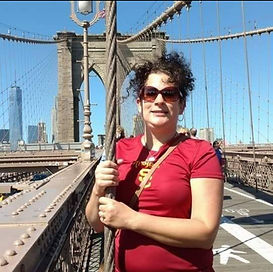
By Tony Mazzucco, general manager, Norwood, Massachusetts

Barrett and Greene, Dedicated to State and Local Government, State and Local Government Management, State and Local Management, State and Local Performance Audit, State and Local Government Human Resources, State and Local Government Performance Measurement, State and Local Performance Management, State and Local Government Performance, State and Local Government Budgeting, State and Local Government Data, Governor Executive Orders, State Medicaid Management, State Local Policy Implementation, City Government Management, County Government Management, State Equity and DEI Policy and Management, City Equity and DEI Policy and Management, City Government Performance, State and Local Data Governance, and State Local Government Generative AI Policy and Management

During the Baby Boom era, schools were built at an unprecedented rate to meet the needs of a burgeoning population of young people—many of these schools are still in use today. Now, as society seeks out ways to improve the health of older Americans, we face a similar situation, but at the other end of the age spectrum.  


Unfortunately, not enough is being done yet – though the opportunities are clear; notably in helping to provide transportation for people who are unable to get around in their own vehicles.


Take Norwood, Massachusetts, a suburb 10 miles outside of Boston. When the pandemic caused the loss of traditional cab services, the town sought to solve this seemingly simple transportation issue with no cost supplementary transit for seniors. We didn't anticipate the sheer number of routine healthcare appointments, dental, eye care, physical therapy—that were being skipped due to transportation challenges. For many seniors, the cost of transportation was prohibitive, or they didn’t want to impose on family members for appointments they deemed non-essential.


In fact, according to the community’s surveys, at least 20% of the medical appointments we transport seniors to would not have occurred without our services. With an average of 1,800 trips per year, that equates to over 350 medical appointments for seniors in our community that otherwise would have been missed. When considering that seniors answered this survey question in varying ways—20% being the lower end—the figure could be as high as 50%.


A Low-Cost, High-Impact Solution


Norwood’s program depends on part-time and per-diem drivers, many of them seniors themselves, who keep operational costs low. These drivers often find the work gratifying, which has made recruitment relatively easy compared to other industries. The program is simple yet effective, utilizing three vehicles operating nearly full-time to complete approximately 1,800 rides annually. The total cost, including vehicle acquisition, driver wages, fuel, and maintenance, remains remarkably affordable. Moreover, the program is ripe for grant funding opportunities, as its narrative is compelling and its impact easily measurable through data such as the number of rides provided.


In the future, the program plans to expand its funding sources by reaching out to local businesses. For example, healthcare providers who benefit directly from seniors attending their appointments may be willing to contribute to the program. What doctor wouldn’t want to support a system that ensures elderly patients can consistently access care? While grant and general fund supported at this time, the program is certainly ripe for significant donations.


Supporting Families and Strengthening Communities


Older Americans overwhelmingly prefer to remain in their homes. Arguments that they should vacate their homes for younger generations to improve housing affordability are both economically impractical and socially disruptive. A housing shortage cannot be resolved simply by moving people around. Instead, inclusive solutions that address the needs of all community members are essential.


What’s more, the benefits of programs like this one extend beyond seniors themselves. Reliable transportation for elderly residents alleviates burdens on working families, for example, especially those in the so-called "sandwich generation," who are often tasked with caring for both children and aging parents. It's not a matter of love or dedication—there are simply only so many hours in the day. Enabling older people to live independently in their homes while ensuring safe, reliable access to medical appointments reduces stress on families and improves overall quality of life.


Looking Ahead: Expanding Services and Opportunities


Measuring health outcomes can be challenging, but programs like this clearly show the value of accessible transportation for seniors. Norwood's program continues to grow, with plans to extend service into Boston and introduce companion services for seniors who require assistance before and after medical procedures. For example, an 80-year-old living alone might need someone to accompany them after a surgery involving anesthesia, especially if their family lives hours away.


Additionally, the town is exploring programs for individuals with intellectual disabilities, aiming to provide transportation not only to medical appointments but also to work opportunities. These efforts underscore a larger truth: supporting seniors isn’t just compassionate—it’s also economically beneficial.


Conclusion: A Model Worth Replicating


Norwood’s transportation program is a shining example of how simple, cost-effective solutions can address significant societal challenges. By ensuring seniors can access vital healthcare services, the program enhances individual health outcomes, supports families, and strengthens community bonds. As we move forward, let this serve as a model for how other communities can embrace the "Elder Boom" with dignity, compassion, and innovation. Taking care of our seniors is not only the right thing to do—it’s also good for society as a whole.


The contents of this Guest Column are those of the author, and not necessarily Barrett and Greene, Inc.


#StateandLocalGovernmentManagement #StateandLocalGovernmentPerformance #StateandLocalGovernmentInnovation #SuburbanTransportationManagement #TransportationInnovation  #CarServiceInnovation #LocalTransportationManagement #LocalServicesForSeniors #NorwoodMA  #InnovationForOlderAmericans #TransportationForElderlyResidents #HomeHealthCare #PostPandemicTaxiLoss #NorwoodFreeTransportationService #MissedMedicalAppointments  #ManagingTransportationForOlderAmerians #GeneralManagerTonyMazzuco #BandGGuestColumn #BarrettandGreemeInc

GUEST COLUMN ARCHIVES

GUEST COLUMN ARCHIVES.
 

READING THE SEISMOGRAPH OF GOVERNMENT DRIFT

DATA CENTERS: FINDING THE PERSUADABLE MIDDLE

YOUR TRAINING OFFICER IS NOT OVERHEAD

WHY TODAY’S EFFICIENCY PUSH COULD STALL IN THE STATES

HR: SOLUTIONS FOR A SYSTEM UNDER PRESSURE

GRANTMAKING: A POWERFUL GOVERNMENT TOOL

WHY US GOVERNMENTS SHOULD BENCHMARK THE WORLD

REWRITING THE PLAYBOOK ON PUBLIC WORKS RECRUITMENT

WHY COLLABORATION IS OUR COMPETETIVE ADVANTAGE

FOCUSING ON THE POSITIVE

Bridging the Academic/Practitioner Gap: Public Finance Journal

HUMAN SERVICES AS PUBLIC INFRASTRUCTURE

TRANSLATING PERFORMANCE MANAGEMENT INTO ACTION

CIVIC ENGAGEMENT IN HIGHER EDUCATION

REFORMING PUBLIC SCHOOL EDUCATION

WHEN THE DATA CHALLENGES YOU TO CHANGE

A COMPELLING SCORECARD FOR DEMOCRACY

SOCIAL MEDIA: BUILDING TRUST IN GOVERNMENT

MICHIGAN ROADMAP FOR REGULATORY EFFECTIVENESS

THE PAYOFFS TO PUBLIC SECTOR WORKFORCE INVESTMENT

FROM DATA AMBITION TO PUBLIC VALUE

INSPIRATIONAL WOMEN: THE FOOTPRINTS WE LEAVE

PERFORMANCE IN A TIME OF INSTABILITY

UNDERSTANDING MUNICIPAL FISCAL HEALTH

HOW AGENCY HEADS CAN FIX TRAINING

THINKING LIKE A COALITION DESIGNER

AI WEARINESS

THE MASSIVE PHYSICAL IMPACT OF DATA CENTERS

SPECIAL EDUCATION FUNDING: WHERE THE REAL RISK LIES

COUNTIES AND THE BIG SHIFT

CIVIL SERVICE MERIT VS EMPLOYMENT AT WILL

PLANNERS ARE PILLARS OF DEMOCRACY

HOW TO GET BETTER OUTCOMES IN EDUCATION

SMART SHORTCUTS FOR SMARTER BUDGETS

MEASURING SAFETY AND GETTING IT RIGHT

TIME TO MEET THE TRILLION-DOLLAR CHALLENGE

DEVALUING BLACK AND HISPANIC LATINA HOUSING IN CITIES

USING AUTOMATION TO INCREASE AUDIT PRODUCTIVITY

PUBLIC INNOVATION ECOSYSTEM FOR GOOD

A TALENT POOL FOR THE PUBLIC SECTOR

“EFFICIENCY IS NOT AN EXCUSE FOR PARALYSIS”

ART AND SCIENCE OF CREATING CONTRACTS

REFLECTIONS OF A RECENTLY DEPARTED HR DIRECTOR

“HAPPY EMPLOYEES: HAPPY RESIDENTS”

HOW TO TURN A STATE WORKFORCE INTO A TEAM

BUILDING RESILIENT TEAMS TO NAVIGATE UNCERTAINTY

BUILDING CAPACITY FOR CROSS-SECTOR COLLABORATION

GOVERNMENTAL MISTAKES THAT LIVE FOREVER

RESTORING PUBLIC CONFIDENCE IN GOVERNMENT

WHAT DOES OVERSIGHT LEADERSHIP LOOK LIKE?

AFFORDABLE HOUSING: BUILDING A BRIGHTER FUTURE

RETHINKING THE MOTIVATION FOR AI

LET'S BE POSITIVE ABOUT GOVERNMENT AGAIN

THE DATA ILLUSION IN PUBLIC SAFETY

ACCESSORY DWELLING UNITS AND THE HOUSING CRISIS

A ROUTE TO EXTREME WEATHER RESILIENCE

DECLINING TRUST UNDERMINES DEMOCRACY

FIVE WAYS TO GET READY FOR GENERATION ALPHA

AN OPEN BANKING PATH TO PUBLIC BENEFITS

IT DEPENDS ON WHAT YOU MEAN BY "EFFICIENCY"

HOW AI IS SHAPING DIGITAL ACCESSIBILITY

COST SAVINGS VS EFFICIENCY

NAVIGATING CHAOS

INVESTING IN COMMUNITY

HOW TO GET A LEGISLATOR TO LISTEN

HOW THE IOWA PIE PROGRAM IS SAVING TAXPAYER DOLLARS

HOW SHIFTING DEMOGRAPHICS ARE RESHAPING STATE FINANCES

A REMINISCENCE FROM R. KINNEY POYNTER

REPEAL OF THE MUNI-BOND TAX EXEMPTION WOULD THREATEN US INFRASTRUCTURE

ATTRACTING PUBLIC SERVICE LEADERS WHEN THE AXE HITS THE FEDERAL GOVERNMENT

INSPIRATIONAL WOMEN IN LOCAL GOVERNMENT: HOPE IN POLARIZATION

FEDERAL JOB LOSSES EQUAL LOCAL OPPORTUNITIES

THREE ROUTES TO BETTER PROJECT MANAGEMENT

THE POWER OF UNITY

CUTBACK MANAGEMENT: STRATEGY, EVALUATION AND BLAME

BUILDING BROADBAND: THE VISION AND REAL WORLD

STATE BUDGETS: MANAGING EXPECTATIONS AS CONDITIONS RETURN TO NORMAL

HOW CAN LOCAL GOVERNMENTS IMPROVE HEALTH FOR OLDER AMERICANS?

THE AUDACITY OF NOPE

SUBVERSION AS A PUBLIC VALUE

HOW CAN WE PROVIDE ENOUGH EV CHARGERS?

PREPARING TODAY FOR RISING TIDES TOMORROW

A NOVEL REASON WHY GOVERNMENT CONSOLIDATIONS MIGHT MAKE SENSE

SUSTAINING DATA PRACTICES IN MAYORAL TRANSITIONS

MIAMI-DADE COUNTY IN TRANSITION

LESSONS FROM THE WESTERNS

IS YOUR GOVERNMENT PERFORMING BETTER THAN A YEAR AGO?

THE ESSENTIAL ROLE OF PUBLIC LIBRARIES IN URBAN REVITALIZATION

STATE EMERGENCY MANAGEMENT AGENCY PERFORMANCE

THE HIGHER ED ROLE IN FILLING THE EMPLOYEE VOID

KEYS TO CONNECTING STATE GOVERNMENT AND PHILANTHROPY

NAVIGATING THE TECH LANDSCAPE: A GUIDE FOR GOVERNMENT

VIRGINIA’S DRIVE-TO-WORK PROGRAM IS A LIFELINE TO ECONOMIC SECURITY

DOES GETTING TOUGHER ON CRIME MAKE PEOPLE SAFER?

EQUITY: THE STATE OF THE STATES

WHAT MOTIVATES LOCAL GOVERNMENTS TO USE PERFORMANCE MANAGEMENT?

FEDERALISM IN 2025 AND BEYOND

IS THE FOUR-DAY WORKWEEK IN YOUR FUTURE?

HOW CAN AI MODERNIZE TAX ADMINISTRATION?

HOW STATE AND LOCAL GOVERNMENTS CAN SUPPORT CLEAN ENERGY

Barrett and Greene, Dedicated to State and Local Government, State and Local Government Management, State and Local Management, State and Local Performance Audit, State and Local Government Human Resources, State and Local Government Performance Measurement, State and Local Performance Management, State and Local Government Performance, State and Local Government Budgeting, State and Local Government Data, Governor Executive Orders, State Medicaid Management, State Local Policy Implementation, City Government Management, County Government Management, State Equity and DEI Policy and Management, City Equity and DEI Policy and Management, City Government Performance, State and Local Data Governance, and State Local Government Generative AI Policy and Management, inspirational women, sponsors, Privacy


Barrett and Greene, Dedicated to State and Local Government, State and Local Government Management, State and Local Managemen

SIGN UP FOR SPECIAL NEWS JUST FOR YOU.

Get exclusive subscriber-only links to news and articles and the latest information on this website sent directly in your inbox.

Thanks for Subscribing. You'll now recieve updates directly to your inbox.

Copyright @ Barrett and Greene, Inc.  |  All rights Reserved  |  Built By Boost  |  Privacy 212-684-5687  |  greenebarrett@gmail.com

bottom of page