top of page

GUEST COLUMN.

Barrett and Greene, Dedicated to State and Local Government, State and Local Government Management, State and Local Management, State and Local Performance Audit, State and Local Government Human Resources, State and Local Government Performance Measurement, State and Local Performance Management, State and Local Government Performance, State and Local Government Budgeting, State and Local Government Data, Governor Executive Orders, State Medicaid Management, State Local Policy Implementation, City Government Management, County Government Management, State Equity and DEI Policy and Management, City Equity and DEI Policy and Management, City Government Performance, State and Local Data Governance, and State Local Government Generative AI Policy and Management

PREPARING TODAY FOR RISING TIDES TOMORROW

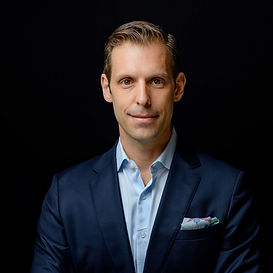
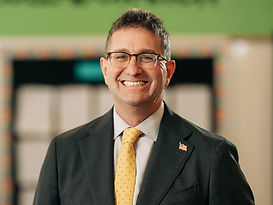
By Andrew J. Grandage, Assistant Professor at Western Carolina University, Robert E. Hines, Assistant Professor at University of North Carolina at Charlotte, Katherine G. Willoughby, Golembiewski Professor of Public Administration and Policy at University of Georgia and Mathew E. Hauer, Charles B. Nam Associate Professor of Sociology at Florida State University

Barrett and Greene, Dedicated to State and Local Government, State and Local Government Management, State and Local Management, State and Local Performance Audit, State and Local Government Human Resources, State and Local Government Performance Measurement, State and Local Performance Management, State and Local Government Performance, State and Local Government Budgeting, State and Local Government Data, Governor Executive Orders, State Medicaid Management, State Local Policy Implementation, City Government Management, County Government Management, State Equity and DEI Policy and Management, City Equity and DEI Policy and Management, City Government Performance, State and Local Data Governance, and State Local Government Generative AI Policy and Management

Coastal local governments are the first responders to the growing threat of sea level rise. The threats of sea level rise are vast and include increasing coastal flooding, the intrusion of saltwater into groundwater, and the future loss of coastal lands. Local governments will not only need to plan for the risk such physical changes pose to their communities, but also for the risks they face as rising tides threaten to damage key infrastructure systems, important tax bases, and displace at-risk populations.  


Sea level rise is a wicked problem that local governments are just beginning to address. Most local policies represent broad, long-term planning practices aimed at addressing the government and community-wide risks that it poses. These governments tend to develop more specific and focused policies for water supply and stormwater issues as well as threatened capital assets.


The southeast region of the United States has diverse urban and rural settings, governments with differing levels of capacity, and a wide range of risk exposure. Our research illustrates what coastal county governments across the southeast are doing to become resilient to the threat of sea level rise. Central to this effort was a collection of policies from the financial reports, governing body meetings, and comprehensive land use plans for all coastal counties from North Carolina down to Florida and around to Louisiana.


The good news is that many of these localities are taking actions that have the potential of making themselves more resilient. Across the southeast, 60% of these counties have at least recognized the threat posed by sea level rise. Many have gone further. Some 40% of southeastern coastal counties have begun to develop options to address sea level rise.


Still, progress is not consistent across the southeast with certain governments having advanced more than others. We found that counties with larger population bases, more capacity, and higher levels of risk exposure are more likely to be addressing the hazards of sea level rise. That said, among the counties we found to be addressing such hazards, those with higher shares of left-leaning voters tend to identify more risks and strategies for dealing with them.


For governments, regardless of political bent, that are working to take the first steps, gathering data and making forecasts can be powerful tools.


For examples, governments that have generated data on the nature of their sea level risks and applied it in risk assessment have tackled the threat of sea level rise in more service areas, across more types of risks, and used more distinct sea level rise tactics.


What’s more, governments can work to make the vague threat of future sea level rise tangible by forecasting future sea level rise levels and applying those forecasts into specific risk assessments, Ideally, forecasts and risks assessments can turn sea level rise risks from an opaque threat into a more tractable problem for which policy options can be developed, assessed, prioritized, sequenced, and eventually implemented. Of course, such forecasts are inherently uncertain, and communities facing urgent needs with limited resources must weigh the options of addressing sea level rise now, or in the future when information becomes less uncertain.


Given the fact that sea level rise forecasts are inherently uncertain and the difficulty in predicting future rise, conservative estimates may help ensure that governments maintain a viable service floor in a worst-case scenario. In other circumstances, policy options which allow governments to manage uncertainty by planning out options which can be dynamically deployed in response to observed changes may be ideal.


As seas continue to rise and threaten physical infrastructure systems with decades-long useful lives, public and elected officials will have to make challenging budgetary decisions under conditions of risk and uncertainty. For instance, when faced with funding investments which protect assets that are mission critical but unlikely to be damaged by rising seas versus assets that are certain to fail but less important, different governments may come to dissimilar conclusions about the proper course of action or actions.


Sea level rise presents a tremendous threat to coastal areas, but coastal counties in the United States are taking the steps necessary to make themselves more resilient by planning for rising tides. Sea level rise is a current problem that necessitates action now. The most forward-thinking counties today have already begun to assess the risk that sea level rise poses to their communities and critical assets, considering their ability to continue to provide services and future vitality given such risk. Other counties have recognized the threat that rising seas pose and are following close in their wake. With time, local governments may be able to develop effective, bottom-up policies which improve their ability to be the first and best responders to the threat of rising tides.


#StateandlocalGovernmentManagement #StateandLocalGovernmentPerformance #StateandLocalGovernmentLongTermPlanning #SeaLevelRise #CoastalAreaThreat #SeaLevelRiseForecast #StateandLocalRiskAssessment #CoastalStateRiskAssessment #CoastalStatePerformanceManagement #CoastalStatePolicyOption #CoastalLocalGovernment #CoastalStateAndLocalLongTermPlanning #CoastalLocalGovernmentPerformance #StateandLocalGovernmentData #CoastalStateData #CoastalAreaThreat #CoastalBudgetForecast #StateandLocalInfrastructureManagement #StateandLocalBudgeting #StateandLocalRiskAssessment #BarrettandGreeneInc

GUEST COLUMN ARCHIVES

GUEST COLUMN ARCHIVES.
 

DATA CENTERS: FINDING THE PERSUADABLE MIDDLE

YOUR TRAINING OFFICER IS NOT OVERHEAD

WHY TODAY’S EFFICIENCY PUSH COULD STALL IN THE STATES

HR: SOLUTIONS FOR A SYSTEM UNDER PRESSURE

GRANTMAKING: A POWERFUL GOVERNMENT TOOL

WHY US GOVERNMENTS SHOULD BENCHMARK THE WORLD

REWRITING THE PLAYBOOK ON PUBLIC WORKS RECRUITMENT

WHY COLLABORATION IS OUR COMPETETIVE ADVANTAGE

FOCUSING ON THE POSITIVE

Bridging the Academic/Practitioner Gap: Public Finance Journal

HUMAN SERVICES AS PUBLIC INFRASTRUCTURE

TRANSLATING PERFORMANCE MANAGEMENT INTO ACTION

CIVIC ENGAGEMENT IN HIGHER EDUCATION

REFORMING PUBLIC SCHOOL EDUCATION

WHEN THE DATA CHALLENGES YOU TO CHANGE

A COMPELLING SCORECARD FOR DEMOCRACY

SOCIAL MEDIA: BUILDING TRUST IN GOVERNMENT

MICHIGAN ROADMAP FOR REGULATORY EFFECTIVENESS

THE PAYOFFS TO PUBLIC SECTOR WORKFORCE INVESTMENT

FROM DATA AMBITION TO PUBLIC VALUE

INSPIRATIONAL WOMEN: THE FOOTPRINTS WE LEAVE

PERFORMANCE IN A TIME OF INSTABILITY

UNDERSTANDING MUNICIPAL FISCAL HEALTH

HOW AGENCY HEADS CAN FIX TRAINING

THINKING LIKE A COALITION DESIGNER

AI WEARINESS

THE MASSIVE PHYSICAL IMPACT OF DATA CENTERS

SPECIAL EDUCATION FUNDING: WHERE THE REAL RISK LIES

COUNTIES AND THE BIG SHIFT

CIVIL SERVICE MERIT VS EMPLOYMENT AT WILL

PLANNERS ARE PILLARS OF DEMOCRACY

HOW TO GET BETTER OUTCOMES IN EDUCATION

SMART SHORTCUTS FOR SMARTER BUDGETS

MEASURING SAFETY AND GETTING IT RIGHT

TIME TO MEET THE TRILLION-DOLLAR CHALLENGE

DEVALUING BLACK AND HISPANIC LATINA HOUSING IN CITIES

USING AUTOMATION TO INCREASE AUDIT PRODUCTIVITY

PUBLIC INNOVATION ECOSYSTEM FOR GOOD

A TALENT POOL FOR THE PUBLIC SECTOR

“EFFICIENCY IS NOT AN EXCUSE FOR PARALYSIS”

ART AND SCIENCE OF CREATING CONTRACTS

REFLECTIONS OF A RECENTLY DEPARTED HR DIRECTOR

“HAPPY EMPLOYEES: HAPPY RESIDENTS”

HOW TO TURN A STATE WORKFORCE INTO A TEAM

BUILDING RESILIENT TEAMS TO NAVIGATE UNCERTAINTY

BUILDING CAPACITY FOR CROSS-SECTOR COLLABORATION

GOVERNMENTAL MISTAKES THAT LIVE FOREVER

RESTORING PUBLIC CONFIDENCE IN GOVERNMENT

WHAT DOES OVERSIGHT LEADERSHIP LOOK LIKE?

AFFORDABLE HOUSING: BUILDING A BRIGHTER FUTURE

RETHINKING THE MOTIVATION FOR AI

LET'S BE POSITIVE ABOUT GOVERNMENT AGAIN

THE DATA ILLUSION IN PUBLIC SAFETY

ACCESSORY DWELLING UNITS AND THE HOUSING CRISIS

A ROUTE TO EXTREME WEATHER RESILIENCE

DECLINING TRUST UNDERMINES DEMOCRACY

FIVE WAYS TO GET READY FOR GENERATION ALPHA

AN OPEN BANKING PATH TO PUBLIC BENEFITS

IT DEPENDS ON WHAT YOU MEAN BY "EFFICIENCY"

HOW AI IS SHAPING DIGITAL ACCESSIBILITY

COST SAVINGS VS EFFICIENCY

NAVIGATING CHAOS

INVESTING IN COMMUNITY

HOW TO GET A LEGISLATOR TO LISTEN

HOW THE IOWA PIE PROGRAM IS SAVING TAXPAYER DOLLARS

HOW SHIFTING DEMOGRAPHICS ARE RESHAPING STATE FINANCES

A REMINISCENCE FROM R. KINNEY POYNTER

REPEAL OF THE MUNI-BOND TAX EXEMPTION WOULD THREATEN US INFRASTRUCTURE

ATTRACTING PUBLIC SERVICE LEADERS WHEN THE AXE HITS THE FEDERAL GOVERNMENT

INSPIRATIONAL WOMEN IN LOCAL GOVERNMENT: HOPE IN POLARIZATION

FEDERAL JOB LOSSES EQUAL LOCAL OPPORTUNITIES

THREE ROUTES TO BETTER PROJECT MANAGEMENT

THE POWER OF UNITY

CUTBACK MANAGEMENT: STRATEGY, EVALUATION AND BLAME

BUILDING BROADBAND: THE VISION AND REAL WORLD

STATE BUDGETS: MANAGING EXPECTATIONS AS CONDITIONS RETURN TO NORMAL

HOW CAN LOCAL GOVERNMENTS IMPROVE HEALTH FOR OLDER AMERICANS?

THE AUDACITY OF NOPE

SUBVERSION AS A PUBLIC VALUE

HOW CAN WE PROVIDE ENOUGH EV CHARGERS?

PREPARING TODAY FOR RISING TIDES TOMORROW

A NOVEL REASON WHY GOVERNMENT CONSOLIDATIONS MIGHT MAKE SENSE

SUSTAINING DATA PRACTICES IN MAYORAL TRANSITIONS

MIAMI-DADE COUNTY IN TRANSITION

LESSONS FROM THE WESTERNS

IS YOUR GOVERNMENT PERFORMING BETTER THAN A YEAR AGO?

THE ESSENTIAL ROLE OF PUBLIC LIBRARIES IN URBAN REVITALIZATION

STATE EMERGENCY MANAGEMENT AGENCY PERFORMANCE

THE HIGHER ED ROLE IN FILLING THE EMPLOYEE VOID

KEYS TO CONNECTING STATE GOVERNMENT AND PHILANTHROPY

NAVIGATING THE TECH LANDSCAPE: A GUIDE FOR GOVERNMENT

VIRGINIA’S DRIVE-TO-WORK PROGRAM IS A LIFELINE TO ECONOMIC SECURITY

DOES GETTING TOUGHER ON CRIME MAKE PEOPLE SAFER?

EQUITY: THE STATE OF THE STATES

WHAT MOTIVATES LOCAL GOVERNMENTS TO USE PERFORMANCE MANAGEMENT?

FEDERALISM IN 2025 AND BEYOND

IS THE FOUR-DAY WORKWEEK IN YOUR FUTURE?

HOW CAN AI MODERNIZE TAX ADMINISTRATION?

HOW STATE AND LOCAL GOVERNMENTS CAN SUPPORT CLEAN ENERGY

COLLABORATING ON PROCUREMENT LAW

Barrett and Greene, Dedicated to State and Local Government, State and Local Government Management, State and Local Management, State and Local Performance Audit, State and Local Government Human Resources, State and Local Government Performance Measurement, State and Local Performance Management, State and Local Government Performance, State and Local Government Budgeting, State and Local Government Data, Governor Executive Orders, State Medicaid Management, State Local Policy Implementation, City Government Management, County Government Management, State Equity and DEI Policy and Management, City Equity and DEI Policy and Management, City Government Performance, State and Local Data Governance, and State Local Government Generative AI Policy and Management, inspirational women, sponsors, Privacy


Barrett and Greene, Dedicated to State and Local Government, State and Local Government Management, State and Local Managemen

SIGN UP FOR SPECIAL NEWS JUST FOR YOU.

Get exclusive subscriber-only links to news and articles and the latest information on this website sent directly in your inbox.

Thanks for Subscribing. You'll now recieve updates directly to your inbox.

Copyright @ Barrett and Greene, Inc.  |  All rights Reserved  |  Built By Boost  |  Privacy 212-684-5687  |  greenebarrett@gmail.com

bottom of page