VOICES FROM THE GFOA, 2026.
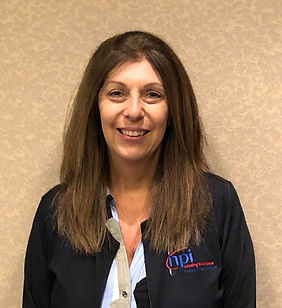
Sheanna Gomes, Manager, Fiscal and Economic Policy at the Pew Charitable Trusts, was one of eight people we filmed at the GFOA’s annual conference in Chicago between June 28 and July 1. This is the third in the series that will appear on Thursdays in this space.
Gomes focused her comments on long-term planning in states. As she explains, “we define long-term budget assessments as analyses that include revenue and spending projections that look at least three fiscal years into the future. They include a comparison of those projections to assess structural balance and a discussion of the factors driving the state's fiscal outlook.”
As she continues, “This is important because these assessments not only provide information on where the state budget is headed, but they also discuss the risks . . . “
She indicates that while there’s quite a bit of research on revenue forecasts, there isn’t as much on expenditures. So, she says, “We've been partnering with the Government Finance Research Center at the University of Illinois, Chicago to better understand the challenges states face in producing long-term expenditure forecasts, and one of the key findings from that work is one of the biggest challenges is just getting started, especially given the time and capacity constraints that states have.”
Long-term planning for both revenues and expenditures is particularly important, reports Gomes, so that “lawmakers know when their decisions might compromise structural balance, or when they're able to make new investments without undermining structural balance.”